
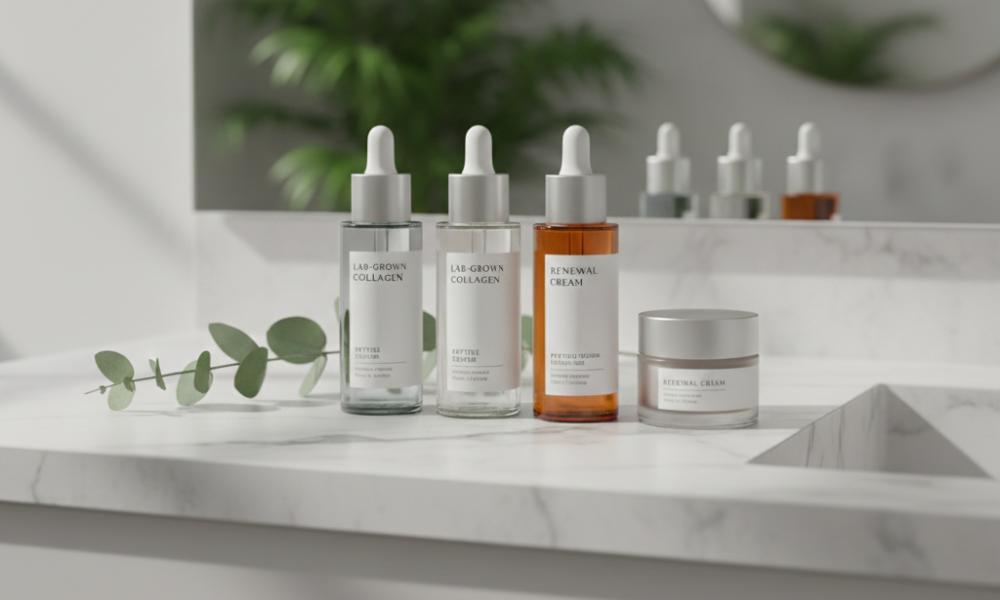

Biotech skincare is having a moment—and not a quiet one. It’s the kind of glow-up that shows up front row at fashion week, backstage at red carpet events, and casually name-dropped by celebrity dermatologists who whisper things like “lab-grown” and “bioengineered” as if they’re talking about a Birkin. Suddenly, skincare sounds less like your grandma’s vanity and more like a Silicon Valley pitch deck—with better packaging.
But before we all start slathering ourselves in something that sounds like it escaped a science lab, let’s pause. Because while biotech skincare looks futuristic and feels very now, not all of it deserves a standing ovation. Some ingredients are genuinely impressive—smart, targeted, and backed by science. Others? Mostly hype in a frosted glass bottle.
This article is your no-stress, no-jargon guide to biotech skincare explained in plain language. We’re talking lab-grown collagen, peptides in skincare, growth factors, and the advanced skincare ingredients everyone keeps hyping on TikTok and red carpets. We’ll break down what biotech skincare is, how it works, what’s actually helpful, what’s overpromised, and how to use it safely—expert quotes and all.
Think of this as your cool, informed friend pulling you aside and saying, “Okay, here’s what’s actually worth your money.”
What Is Biotech Skincare?
So, what is biotech skincare? At its core, biotech skincare uses science—specifically biology and technology—to create high-performance skincare ingredients in a lab instead of harvesting them directly from nature. These are often called bioengineered skincare ingredients.
Instead of extracting collagen from animals or plants, scientists grow it in controlled lab environments. Instead of relying on unstable natural compounds, they design ingredients that behave consistently every time you use them. That’s how biotech skincare works: precision over guesswork.
The goal isn’t to replace nature—it’s to improve on it. Think of biotech skincare as nature with a PhD. You still get skin-friendly ingredients, but with fewer impurities, better stability, and more predictable results.
If you’re still building your routine, this broader skincare guide helps explain where biotech fits alongside cleansers, serums, and moisturizers without overwhelming your skin—or your shelf.
Why Biotech Skincare Is Everywhere Right Now
Short answer? Because results matter more than vibes now.
Consumers are savvier. Ingredient lists get Googled. “Trust me” marketing doesn’t cut it anymore. Biotech skincare thrives in this era because it’s science-backed skincare with receipts.
Another reason: celebrity skincare trends. Red carpet skincare has quietly shifted from heavy makeup coverage to “your skin but better.” That glow usually comes from treatments and products designed with lab precision. Many skincare brands celebrities use lean heavily on peptides, growth factors, and lab-grown collagen.
Social media also plays a role. “Futuristic skincare” looks good on camera. Lab visuals, sleek packaging, and clinical claims feel premium—and luxury skincare ingredients always sell better when they sound exclusive.
Finally, clean beauty technology has matured. Biotech allows brands to make effective ingredients without over-harvesting natural resources. That combination of performance, sustainability, and aesthetic appeal? It’s catnip for modern beauty lovers.
Why Biotech Skincare Is Next-Generation Skincare
Biotech skincare isn’t just a trend—it’s next generation skincare because it solves old beauty problems in smarter ways.
Traditional skincare often struggles with inconsistency. One batch of an ingredient might work beautifully; the next might irritate your skin. Biotech changes that by creating ingredients in controlled environments, so what you use today works the same tomorrow.
It also pairs beautifully with beauty tech. Think AI-designed formulas, skin data, and precision actives tailored to specific concerns like fine lines or barrier damage.
Dermatologists love this approach because it removes the mystery. As Dr. Shereene Idriss once explained, “Consistency and formulation matter more than trends. Lab-created ingredients allow us to predict results better.”
In other words, biotech skincare doesn’t rely on luck. It’s built on repeatable science. That’s why increasingly dermatologist recommended skincare—and why it’s replacing trial-and-error routines with smarter, streamlined ones.
Key Aspects of Biotech Skincare
Lab-Grown and Bio-Engineered Ingredients
These ingredients are grown or designed in labs to mimic or improve what already exists in nature. Lab-grown collagen, peptides, and ceramides fall into this category. The benefit? Fewer contaminants, better stability, and more predictable collagen skincare benefits without relying on animal or plant extraction.
Precision and Consistency
Biotech skincare delivers the same performance every time. You don’t have to wonder if this bottle will work differently from the last one. Precision matters, especially for sensitive skin skincare ingredients that need to behave gently and reliably.
Sustainability and Ethical Sourcing
Because ingredients are created in labs, biotech skincare reduces environmental strain. No over-farming, no animal harvesting. That’s why many clean beauty technology advocates see biotech as the future—it’s effective and responsible.
Lab-Grown Collagen Explained
What Lab-Grown Collagen Is
Lab-grown collagen is collagen created through biotechnology rather than extracted from animals or fish. Scientists use fermentation or bioengineering to produce collagen molecules that closely resemble the ones found naturally in skin.
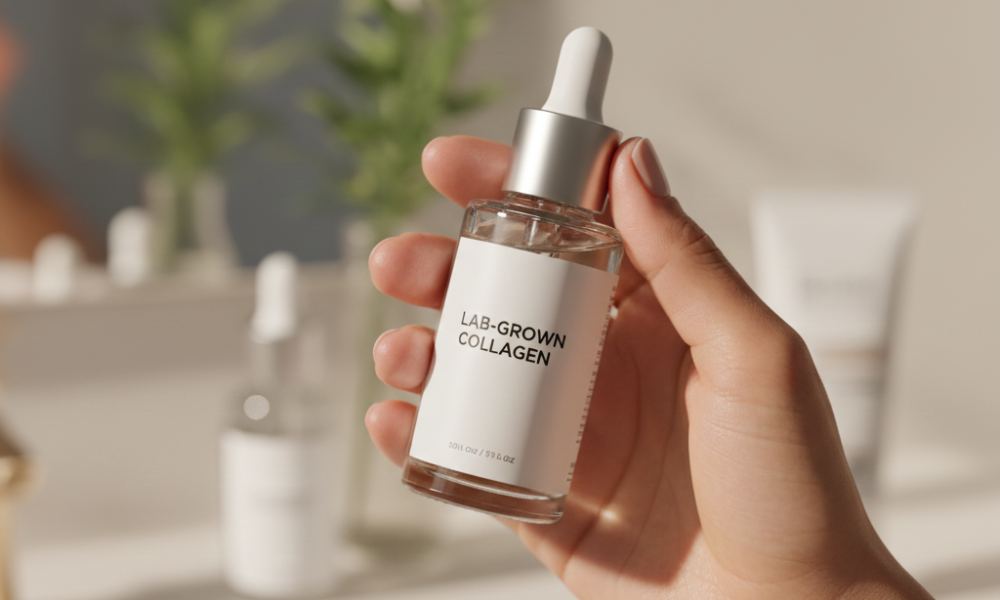
When people compare lab grown collagen vs collagen, the big difference is purity and control. Lab-grown versions are consistent and free from common allergens. That makes many wonder: is lab grown collagen safe? For most people, yes—especially when formulated properly.
How It’s Made in a Lab
Collagen is produced using microbes like yeast, which are programmed to create collagen proteins. These proteins are then purified and stabilized. No animals involved, no environmental strain, and far less variability.
What It Actually Does for Skin
Topically, lab-grown collagen hydrates and supports the skin barrier. It won’t magically rebuild your collagen, but it does improve plumpness and moisture—key collagen skincare benefits when paired with sunscreen and retinoids.
Peptides in Skincare, Decoded

What Peptides Are
Peptides are short chains of amino acids—basically tiny messengers that tell your skin what to do. When people ask, are peptides good for skin? the answer is yes, especially for supporting firmness and repair.
They signal skin to boost collagen production or calm inflammation. That’s why peptides in skincare are everywhere right now.
Different Types of Peptides
There are signal peptides (tell skin to make collagen), carrier peptides (deliver minerals), and neurotransmitter peptides (relax expression lines). Each offers different peptide serum benefits depending on your skin goal.
What Results to Expect
Peptides deliver subtle, steady improvements—not overnight miracles. Expect smoother texture and better resilience over time, especially when used consistently.
Examples of Biotech Ingredients and Their Benefits
Bio-Fermented Hyaluronic Acid
Bio-fermented hyaluronic acid is created through controlled fermentation instead of animal extraction. This process produces a cleaner, more uniform molecule that holds water efficiently. Because it is bioengineered, it tends to feel lighter on skin while still delivering deep hydration. It helps plump fine lines, soften texture, and support moisture balance without clogging pores. Many formulas suit oily, acne-prone, and sensitive skin types better than traditional versions, especially for daily use under makeup and humid climates year round comfort benefits.
Growth Factors
Growth factors are proteins that signal skin to repair itself faster. In growth factors skincare, they support cell turnover and help improve texture, tone, and firmness over time. These ingredients are popular in post-procedure routines because they calm stressed skin and encourage recovery. However, growth factors skincare safety depends on careful formulation, proper concentration, and brand transparency. Poorly formulated products may irritate sensitive skin or deliver minimal benefits when used without medical guidance or testing over long periods of use.
Lab-Engineered Ceramides
Lab-engineered ceramides are designed to mimic the lipids naturally found in healthy skin. They help reinforce the skin barrier, which reduces water loss and protects against irritation. These ceramides are especially helpful for dry, over-exfoliated, or compromised skin, making it feel smoother, calmer, and more resilient with consistent use. They also support recovery after active treatments and seasonal weather changes that weaken moisture retention over time and cause sensitivity flare-ups.
Synthetic Antioxidants Inspired by Nature
Synthetic antioxidants inspired by nature are lab-created versions of compounds found in plants. They are designed to stay stable longer and work consistently on skin. These ingredients help neutralize free radicals from pollution, UV exposure, and stress. Unlike fragile natural extracts, synthetic antioxidants maintain potency, offering reliable protection and supporting brighter, healthier-looking skin over time with fewer formulation issues and longer shelf life in daily skincare products for modern routines.
Other Popular Biotech Ingredients to Know
Beyond peptides and lab-grown collagen, several advanced skincare ingredients quietly power some of today’s most effective formulas. Stem cell–inspired actives are one example. These ingredients do not contain live stem cells. Instead, they use lab-created signals that help skin behave like younger skin, supporting renewal and resilience without risky claims. Fermented botanicals are another standout. Fermentation breaks down plant ingredients into smaller, more absorbable parts, making them gentler and more effective for sensitive skin. This process also boosts antioxidant activity while reducing irritation risk.
DNA-repair enzymes are designed to support skin’s natural recovery system. Daily exposure to UV rays, pollution, and stress can damage skin cells over time. These enzymes help skin recognize and repair that damage more efficiently. They do not rewrite DNA, but they support healthier cell function. Together, these ingredients focus on longevity, consistency, and repair. They work quietly in the background, improving skin quality over time rather than offering overnight miracles.
What makes these biotech ingredients appealing is their predictability. Because they are lab-developed, brands can control purity, strength, and stability. That means fewer surprises for skin and more reliable results. These formulas suit people who want smart skincare backed by research, not trends. They represent a shift toward thoughtful beauty that prioritizes skin health over dramatic promises or flashy marketing claims.
Benefits of Biotech Skincare
The benefits of biotech skincare go beyond trendy packaging or futuristic branding. One major advantage is consistency. Because bioengineered ingredients are made in controlled environments, each batch performs the same way. That reliability reduces irritation risk and improves long-term results. These formulas are often designed to work with skin, not against it, making them suitable for daily use.
Another benefit is improved performance. Biotech ingredients are engineered to stay stable, absorb better, and last longer on the skin. This means actives like peptides or antioxidants can do their job without breaking down quickly. Many formulas also focus on strengthening the skin barrier, which helps skin retain moisture and defend itself against pollution and over-exfoliation.
Sustainability is another important factor. Lab-grown ingredients often require less water, land, and animal sourcing than traditional methods. That makes biotech skincare appealing to people who care about both results and environmental impact.
Overall, biotech skincare supports calmer, stronger, more balanced skin. Instead of forcing quick changes, it encourages gradual improvement. That approach makes it ideal for stressed, sensitive, or unpredictable skin types that need steady support rather than aggressive treatments.
Why Biotech Skincare Matters
Biotech skincare matters because it reflects a smarter approach to beauty. Instead of relying on trial and error, these formulas are built with intention. Scientists study how skin actually functions, then design ingredients that support those processes. The result is skincare that works quietly but consistently.
This shift is important because modern skin faces more stress than ever. Pollution, blue light, harsh actives, and overuse of treatments can weaken skin over time. Biotech skincare focuses on repair, balance, and protection rather than constant correction. It helps skin recover instead of pushing it harder.
Another reason biotech skincare matters is trust. Clear formulations, measurable results, and research-backed claims help cut through confusion. People want to know what they are putting on their skin and why it works. Biotech answers those questions with data, not buzzwords.
It also signals where beauty is headed. Skincare is becoming quieter, smarter, and more personalized. It is less about instant drama and more about long-term health. Biotech skincare is not louder—it is more thoughtful. And that mindset is shaping the future of how we care for skin.
What’s Hype vs. What Actually Helps
Ingredients That Deliver Real Results
Some biotech ingredients consistently show real skin benefits when formulated well. Peptides help support collagen production and improve firmness over time. Ceramides strengthen the skin barrier, reducing dryness and irritation. Stabilized antioxidants protect against environmental damage while remaining effective longer than fragile plant extracts.
Well-formulated growth factors can support skin recovery and texture improvement, especially after stress or cosmetic treatments. These ingredients do not promise miracles, but they work steadily with regular use. Their strength lies in consistency, not speed. When brands use proper concentrations and transparent sourcing, these ingredients support smoother, healthier-looking skin. Results appear gradually, often within weeks, and improve with continued use. These are the ingredients dermatologists trust because they align with how skin naturally repairs itself.
Trendy Claims That Are Overpromised
Some claims sound impressive but lack real science. “DNA-changing creams” suggest unrealistic outcomes that skincare cannot deliver. Topical products cannot rewrite genetic material. Instant collagen rebuilding is another exaggeration. Collagen molecules are too large to penetrate deeply, so results are usually temporary plumping.
Vague “stem cell” marketing is also misleading. Many products use the term without explaining what the ingredient actually does. Often, it refers to plant extracts rather than functional actives. These claims create excitement but little lasting change. When skincare sounds too dramatic, it usually is. Real progress in skin health happens quietly, through support and protection—not overnight transformations.
Safety Notes and What to Watch Out For
Skin Sensitivity and Irritation Risks
Even biotech skincare is not irritation-proof. Highly active formulas can still trigger reactions, especially on compromised skin. Some people may experience peptides side effects skincare such as redness, tingling, or mild breakouts when starting new products. This often happens when too many actives are layered at once. Introducing products slowly and monitoring skin response helps reduce issues. Paying attention to ingredient lists and avoiding unnecessary combinations keeps skin calm and balanced during use.
Who Should Avoid Certain Biotech Ingredients
People with highly reactive skin, active eczema, or recent cosmetic procedures should be cautious. Some growth factors, acids, or potent peptides may be too stimulating during healing periods. Pregnant or breastfeeding individuals should also check with a professional before using advanced actives. While biotech ingredients are generally safe, personal skin history matters. Choosing simpler formulas during flare-ups helps prevent setbacks and supports long-term skin comfort.
Why Patch Testing Still Matters
Patch testing remains essential, even with science-backed skincare. Applying a small amount behind the ear or on the inner arm helps detect reactions early. Everyone’s skin responds differently, regardless of ingredient quality. Testing new products before full use prevents unnecessary irritation and builds confidence in your routine.
Dermatologist and Expert Insights
Experts agree that biotech skincare can be highly effective when formulated responsibly. According to dermatologists, the success of these products depends on the quality, concentration, and stability of active ingredients. Lab-grown collagen, peptides, and growth factors can support skin renewal, hydration, and barrier function—but only if they are delivered in a stable, science-backed formula. Poorly formulated products, even if marketed as “futuristic skincare,” may underperform or cause irritation.
Celebrity dermatologist skincare often highlights the importance of tailoring products to individual needs. For instance, some dermatologists recommend using peptides vs retinol depending on a client’s skin sensitivity, lifestyle, or age. Peptides tend to be gentler and can help maintain firmness without the risk of irritation, while retinol offers strong anti-aging benefits but may not be suitable for everyone, especially those with sensitive or compromised skin.
Experts also note that predictable results come from consistency and patience. Biotech skincare is not about overnight miracles; it works by supporting natural skin processes. They emphasize layering products carefully, avoiding overstimulation, and following a skinimalism approach to prevent irritation.
In summary, dermatologists and skin experts view biotech skincare as a reliable tool when used wisely. Celebrity dermatologist skincare routines often combine peptides, lab-grown collagen, and other advanced ingredients for steady, visible improvements, highlighting how science-backed skincare can complement luxury and everyday routines.
How to Add Biotech Skincare to Your Routine
Choosing the Right Products
When adding biotech skincare, start with products containing dermatologist approved skincare ingredients. Look for formulas that list lab-grown collagen, peptides in skincare, or growth factors skincare clearly. Check for stability and clinical testing, especially if you’re investing in luxury biotech skincare. Avoid vague marketing claims like “stem cell magic” and focus on science-backed ingredients. Start with one or two high-impact items—a peptide serum or a bioengineered skincare ingredients moisturizer—before layering multiple treatments. This ensures your skin adjusts and reduces the risk of irritation while delivering visible results.
How to Layer Biotech Ingredients
A minimalist, skinimalism approach works best when layering biotech skincare. Apply lighter, water-based formulas like peptide serums first, followed by richer creams with lab-grown collagen or ceramides. Avoid mixing too many active ingredients at once, especially if you’re using retinol or acids. Give each product a minute or two to absorb, and always finish with sunscreen during the day. Thoughtful layering maximizes absorption and efficacy, letting advanced skincare ingredients do their job without overwhelming the skin.
How Long Before You See Results
Patience is key. Most biotech skincare products require about 6–12 weeks of consistent use to show noticeable changes. Collagen levels improve gradually, hydration deepens, and barrier repair strengthens over time. Individual results vary depending on skin type, lifestyle, and product potency. Keep a simple routine, track improvements, and don’t switch products too quickly. Regular use of dermatologist approved skincare ingredients ensures the investment in luxury biotech skincare translates into visible, sustainable results.
Biotech Skincare vs. Traditional Skincare
Compared to multi-step skincare routine traditions, biotech skincare is streamlined and targeted. Traditional routines often rely on layering multiple products to address hydration, anti-aging, brightening, and protection separately. While effective, this approach can overwhelm the skin or cause ingredient conflicts. Biotech skincare simplifies the process by combining advanced, bioengineered skincare ingredients that work synergistically.
Next generation skincare leverages lab-grown collagen, peptides in skincare, and stabilized antioxidants to target specific concerns without excess. For example, a single peptide serum may provide firmness, hydration, and repair simultaneously—reducing the need for multiple creams or treatments. This precision reduces irritation risk, making biotech options especially suitable for sensitive or stressed skin.
Futuristic skincare also emphasizes consistency and predictability. Unlike traditional methods that rely heavily on trial and error, biotech products are formulated to deliver measurable, repeatable results. Advanced skincare ingredients in biotech formulations are often tested clinically, providing more reliable outcomes than general-purpose creams.
In addition, biotech skincare aligns with clean beauty technology and sustainability trends. Concentrated formulations mean less waste, smaller packaging, and fewer resources consumed. While traditional routines remain popular, the appeal of targeted, efficient, and science-backed biotech skincare continues to grow, offering both performance and convenience without compromising luxury or effectiveness.
Five Biotech Skincare Brands to Know
When it comes to biotech skincare, a few brands consistently stand out for combining science-backed formulations with visible results. These brands are often cited as some of the best biotech skincare brands, loved by both dermatologists and celebrity skincare enthusiasts.
SkinCeuticals is a pioneer in science-backed skincare, known for its focus on antioxidants, peptides in skincare, and stabilized vitamin C formulas. Many dermatologists recommend SkinCeuticals for its proven efficacy in protecting skin from environmental damage and supporting repair. Their research-driven approach ensures consistent, high-performing products suitable for sensitive skin.
Augustinus Bader has gained a cult following for its luxury biotech skincare approach. Using proprietary lab-grown actives and advanced peptide complexes, their creams and serums target skin regeneration at the cellular level. The brand emphasizes clean beauty technology and minimal, high-impact formulations, making it ideal for those who prefer a simplified, results-driven routine.
Alastin Skincare focuses on advanced skincare ingredients designed to enhance skin healing and resilience. Their products incorporate peptides and growth factors skincare to support collagen production and barrier repair, often recommended post-procedure. Clinical studies back their formulations, which is why they’re frequently highlighted as dermatologist approved skincare ingredients.
BioEffect brings biotechnology to a plant-based level, using lab-engineered epidermal growth factor (EGF) derived from barley to promote skin renewal. Lightweight, potent, and sustainable, BioEffect serums and creams are popular among those seeking next generation skincare with eco-friendly benefits.
Neocutis combines luxury biotech skincare with clinical expertise, offering products rich in peptides, bioengineered skincare ingredients, and growth factors. Their formulations focus on firming, smoothing, and brightening, making them a go-to for celebrity dermatologist skincare routines and red carpet skincare prep.
Together, these brands illustrate the power of futuristic skincare—where lab-grown collagen, peptides, and advanced biotech actives deliver real results, setting them apart from traditional skincare options while remaining safe and effective.
Three Exciting Biotech Skincare Innovations to Watch
Biotech skincare is evolving fast, and three innovations are shaping the future of luxury skincare. AI-designed formulas are at the forefront. Using artificial intelligence, brands can analyze skin data, ingredient interactions, and clinical results to create highly personalized, effective serums and creams. This allows formulations to be optimized for specific concerns like hydration, fine lines, or uneven tone, making them smarter than traditional products.
Next, microbiome-targeted treatments are gaining attention. These products focus on balancing the skin’s natural ecosystem of bacteria and other microbes, improving barrier function, reducing inflammation, and supporting long-term skin health. By integrating probiotics, prebiotics, and gentle bioengineered ingredients, microbiome-friendly formulations work with your skin rather than against it. This approach is especially appealing for those with sensitive or reactive skin, offering a science-backed alternative to harsher actives.
Finally, personalized lab-grown actives are redefining how we think about advanced skincare ingredients. Lab-grown collagen, peptides in skincare, and growth factors skincare can now be tailored to individual skin needs. Personalized actives ensure that each molecule is optimized for absorption and efficacy, giving results that generic formulations simply can’t match. Many celebrity dermatologist skincare routines now include these next generation skincare solutions, highlighting their growing influence in both high-end and mainstream markets.
Together, these three innovations—AI-designed formulas, microbiome-targeted treatments, and personalized lab-grown actives—represent the cutting edge of futuristic skincare, offering smarter, more effective, and longer-lasting results for anyone seeking serious skin improvement.
Is Biotech Skincare Worth the Price?
The question on everyone’s mind: is biotech skincare worth the price? If you care about performance, safety, and sustainability, the answer is yes—but with some caveats. Biotech skincare is designed to be highly targeted and effective, using lab-grown collagen, peptides, growth factors skincare, and other bioengineered skincare ingredients to deliver results that traditional creams often can’t match. This means you’re paying for measurable benefits, not just marketing hype.
Safety is another factor. Products that are dermatologist approved skincare ingredients often minimize irritation and support barrier health, making them ideal for sensitive or stressed skin. Many biotech brands also prioritize sustainability, using lab-grown actives and ethical sourcing, so you’re choosing formulations that are environmentally conscious as well.
That said, price doesn’t always equal performance. Look for brands with clinical backing, transparency in formulation, and clear ingredient efficacy. When chosen wisely, best biotech skincare brands can justify their investment, offering results, consistency, and a modern approach to skin health. Essentially, you’re paying for science, reliability, and long-term skin improvement—making it a worthwhile choice for those who want more than a one-size-fits-all cream.
Frequently Asked Questions
What is biotech in skincare?
It’s the use of lab-created biological ingredients for better consistency and performance.
Is lab-grown collagen better than regular collagen?
It’s purer and more consistent, but not a miracle fix.
Can peptides replace retinol?
No—but they’re gentler and complementary.
Is biotech skincare safe for sensitive skin?
Often yes, but patch testing is key.
Are biotech ingredients eco-friendly?
Generally more sustainable than traditional sourcing.
Do celebrities actually use biotech skincare?
Yes—many red carpet skincare routines rely on it.
How long does it take to see results?
Usually 6–12 weeks.
Can biotech skincare cause breakouts?
Poor formulations can—always check ingredients.
What is the No. 1 brand recommended by dermatologists?
There’s no single answer, but SkinCeuticals is frequently cited.
Which company is best for biotech skincare?
It depends on your skin goals and budget.
Which brand is best for skincare?
The best brand is one that works consistently for your skin.

