
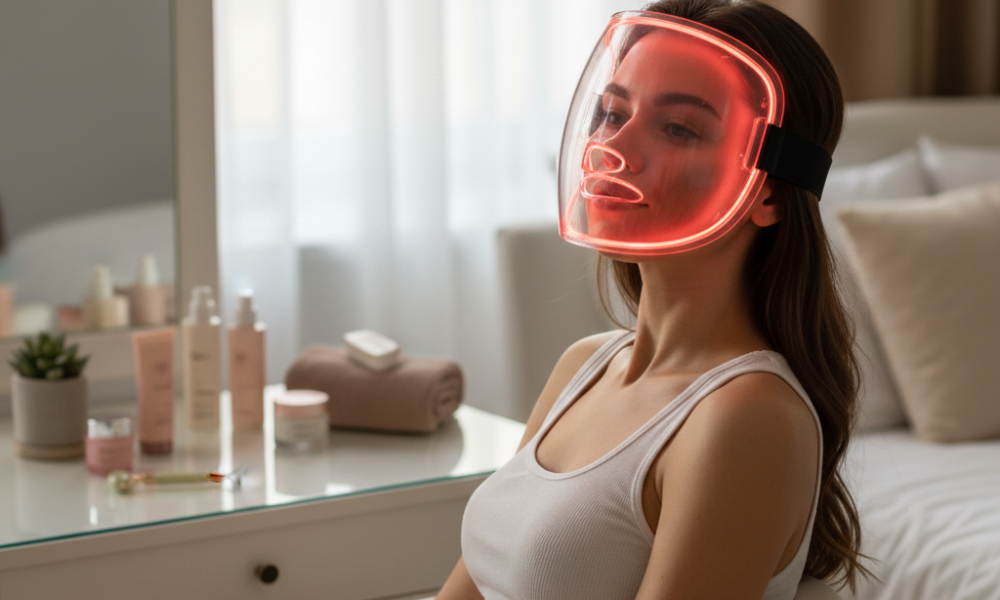

You’re scrolling through Instagram, and every beauty influencer, from Vogue-featured editors to your favorite celebrities, is glowing under a mysterious red or blue mask. You lean in closer, squinting through your latte steam—what’s happening here? Welcome to the dazzling, slightly futuristic world of at-home LED and light devices. These beauty gadgets have officially escaped the confines of dermatologists’ offices and landed in our living rooms, promising radiant skin, acne-free complexions, and a general aura of “I woke up like this” energy.
The craze is real. From red-light therapy for anti-aging to blue-light masks fighting stubborn acne, these devices are everywhere, and everyone seems to be trying them. But before you swipe your card for the latest celebrity-endorsed panel or strap on a neon face mask for 20 minutes a day, it’s worth asking: do they actually work?
In this guide, we’re breaking down how LED light therapy works, which devices deliver real results, and how to safely incorporate them into your routine. Think of it as your ultimate roadmap to glowing skin without the guesswork—plus, a few laughs along the way because skincare shouldn’t feel like rocket science.
2. LED Light Therapy: How It Works, Colors, Benefits & Risks
LED light therapy is essentially a high-tech spa treatment that uses different wavelengths of light to energize your skin cells. Think of it as sunlight, but highly targeted and without the sunburn. The magic happens at a cellular level: light penetrates the skin, stimulates mitochondria (the cell’s power plants), and boosts collagen, circulation, and cell regeneration.
Different colors mean different benefits. Red light is your go-to for anti-aging and boosting collagen—perfect if you’re chasing that celebrity glass-skin glow. Blue light targets acne-causing bacteria, making it a hero for breakouts and blemishes. Near-infrared light reaches deeper layers of skin and can help with inflammation and pain relief.
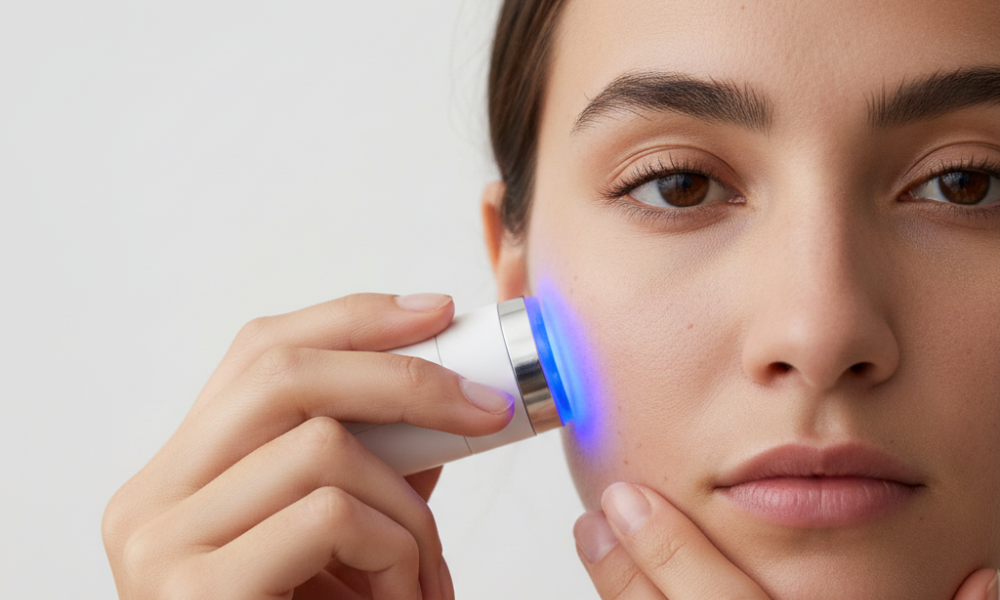
Benefits include smoother skin, reduced wrinkles, fewer blemishes, and even improved hair growth. But caution: overuse or using an unregulated device can cause redness, eye strain, or mild burns. Always check for FDA-cleared LED light masks and follow manufacturer instructions. Like any beauty tech, the right wavelength and session length are key to seeing results without mishaps.
3. Are At-Home LED Therapy Devices Worth It? What You Need to Know
Here’s the honest truth: at-home LED therapy devices are a convenient and often effective alternative to in-office treatments, but they aren’t miracle workers. Pros include the ability to treat your skin at home, lower long-term costs, and ongoing use at your own pace. On the flip side, results can be slower, and cheaper devices may deliver inconsistent outcomes.
Professional treatments use higher-powered devices, giving quicker and more dramatic results. That said, using an affordable at-home light therapy device consistently can still provide noticeable improvements over time. Think of it as choosing between a gourmet meal prepared by a chef (in-office) versus a home-cooked favorite (at-home). Both are satisfying, but one is faster and more intense.
The bottom line: if you’re patient and diligent, at-home LED therapy can definitely be worth it—but temper your expectations and do your homework before investing.
4. How LED Therapy Works
LED therapy works by sending specific wavelengths of light into your skin, energizing cells, and promoting repair. Red light penetrates superficially to stimulate collagen, blue light targets bacteria, and near-infrared reaches deeper tissue for healing.
Consistency is key. Short, sporadic sessions won’t yield results. Think of it like watering a plant—regular light exposure helps skin cells thrive, while skipping sessions is like leaving the soil dry.
Power matters too: stronger devices deliver faster results, but weaker home devices are safer for beginners. When comparing professional vs home LED therapy, keep in mind that at-home versions offer lower intensity for safety and convenience, making long-term adherence easier.
In essence, wavelength, duration, and device quality all combine to determine the outcome. Done right, home LED therapy boosts collagen, smooths fine lines, reduces inflammation, and can even promote hair growth in some cases.
5. How to Choose the Right Device for You
Picking the perfect LED device can feel overwhelming with so many options trending in 2025. Here’s a simple breakdown:
Skin Type Considerations: Oily, dry, sensitive, or combination skin responds differently. Blue light works best for acne-prone skin, red for aging or dullness, and near-infrared for sensitive or inflamed skin.
Device Strength & Wavelength: Check that the device delivers the correct wavelength—usually 630–660 nm for red light and 415–470 nm for blue light. Too weak, and you’ll see no results; too strong, and you risk irritation.
Budget & Size: From handheld wands to full-face panels, pick one that fits your lifestyle. Smaller devices are portable, while larger panels cover more skin.
Brand Credibility & Reviews: Look for FDA-cleared LED light masks, expert endorsements, and honest user feedback. Don’t just chase celebrity beauty devices LED masks—they’re glamorous but not always effective.
What To Consider: User experience matters—easy-to-clean masks, durable panels, and simple controls improve adherence. Check home beauty device reviews for reliability and longevity.
For those unsure, start with a mid-range LED panel skincare device and track your results over 4–6 weeks. Combining it with a Skinimalism Routine maximizes efficacy without overloading your skin.
6. Types of At-Home LED & Light Devices
LED devices come in a range of shapes and sizes, each with unique benefits:
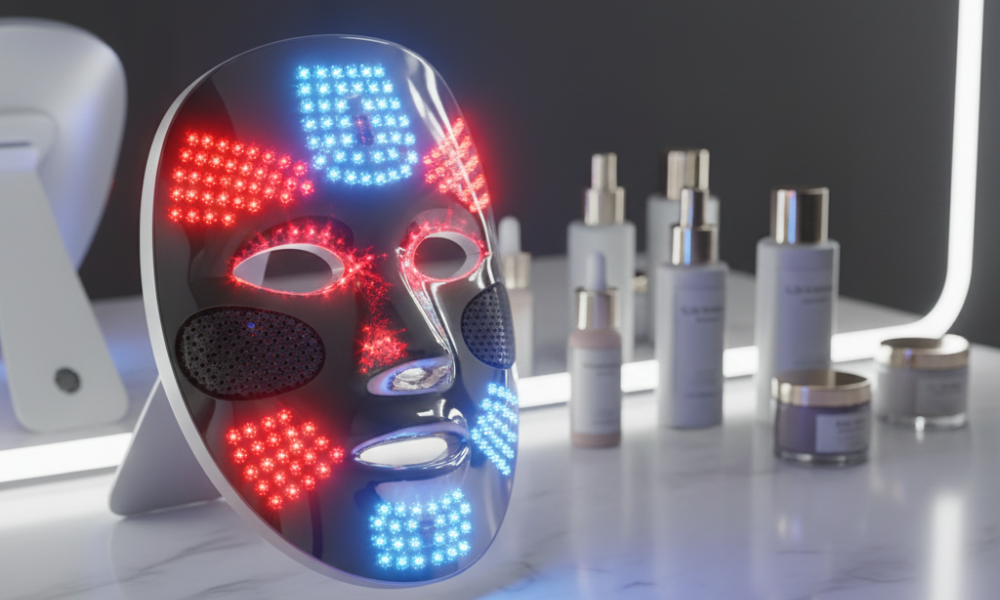
Face Masks: The classic option. Masks cover your entire face, making them perfect for general anti-aging, brightening, or acne treatment. Popular shapes like the contour-fit mask ensure even light distribution. Some best LED face masks 2025 even include multiple colors in one device for versatility.
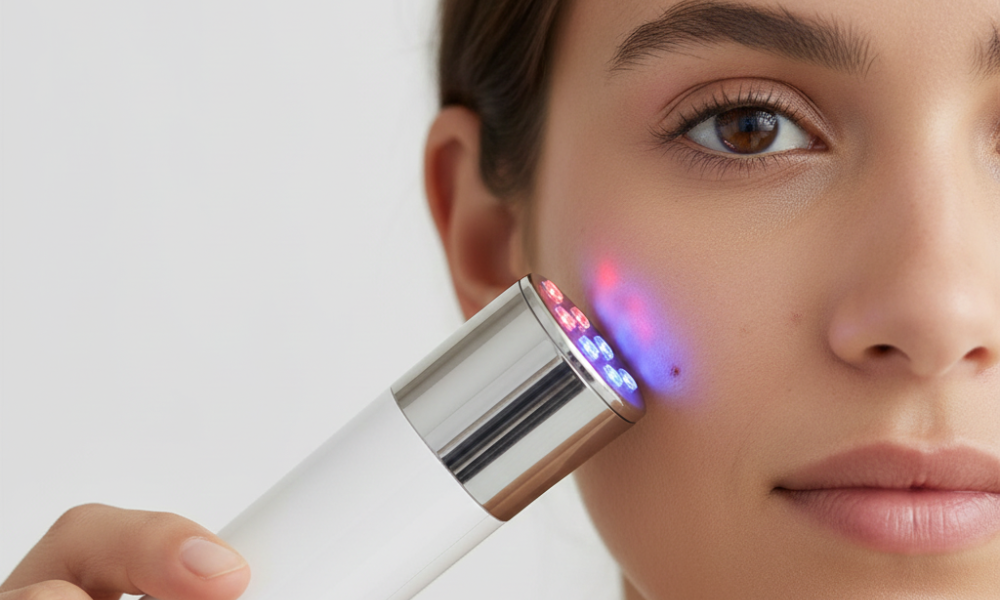
Handheld Wands: Ideal for spot treatment. Targeted areas like acne spots, fine lines, or hair growth zones benefit from concentrated light. Wands are portable, precise, and great for beginners.
Full Panels: Larger devices that can cover more than just your face. Think of them as mini spa setups for home use. They’re excellent for body treatments or deep penetration, but they require more space and a bigger investment.
Wearables: The latest trend in convenience and style. From eye patches to smart masks, wearables allow multi-tasking while getting your daily light dose. Celebrities have been spotted using these trendy, travel-friendly options.
Each type has pros and cons, but all share the same principle: consistent use and correct wavelength are key. For those combining devices with Korean skincare routines, masks and panels work well with layered serums, while wands and wearables target problem areas effectively.
7. At-Home LED Devices: Pros and Cons
Pros:
- Convenient at-home use.
- More affordable long-term than in-office treatments.
- Can be incorporated into daily routines easily.
- Versatile: anti-aging, acne, hair growth.
Cons:
- Results take time—expect weeks, not days.
- Quality varies across brands; cheap knock-offs may not work.
- Inconsistent use reduces effectiveness.
- Misuse (too long sessions, wrong wavelength) can cause irritation.
In short, LED light therapy results at home are real if you choose a quality device and stick to a routine. Think of it as investing in a tiny home spa—patience and proper care pay off.
8. How They Compare to In-Office Treatments
Professional treatments offer stronger devices, targeted wavelengths, and faster results, but come with higher costs and time commitments. In-office sessions are ideal for deep anti-aging, acne scarring, or specialized hair growth therapy.
At-home devices offer convenience, flexibility, and affordability. While they may take longer to show results, the ability to use them daily often compensates for lower intensity.
A common analogy: professional treatments are like a luxury spa day, while at-home devices are your daily skincare espresso—smaller, manageable doses that cumulatively deliver glow.
Some situations, like severe acne or advanced skin aging, still call for professional guidance. But for general skin health, maintenance, and celebrity-inspired glow, at-home LED therapy holds its own.
9. Who Should Use At-Home LED Devices?
Ideal users:
- Those seeking anti-aging benefits, acne treatment, or improved skin tone.
- Young adults experimenting with trendy beauty tech.
- Anyone with a consistent skincare routine who wants an extra boost.
Avoid if:
- You have light-sensitive conditions.
- You’re on photosensitizing medications.
- Severe skin conditions require medical supervision.
Consistency, patience, and safety awareness make all the difference. Think of these devices as daily supplements for your skin rather than miracle cures.
10. How to Use LED & Light Devices Safely
Duration & Frequency: 10–20 minutes per session, 3–5 times a week is typical. Overdoing it can cause irritation.
Eye & Skin Protection: Always wear protective goggles if recommended, and avoid staring directly into blue or near-infrared lights.
Step-by-Step Guide:
- Cleanse your face thoroughly.
- Apply any serums or creams compatible with light therapy.
- Power on your device, select the appropriate color/wavelength.
- Relax while the device works, avoiding distractions.
- Finish with moisturizer or sunscreen if daytime.
Pro-Tip: Combine LED sessions with Skincare Slugging or a Skinimalism Routine to boost hydration and enhance results. Proper timing, protection, and routine integration make at-home treatments both effective and safe.
11. Product Testing Roundup: Which Devices Actually Deliver?
If you’ve been scrolling through TikTok or Instagram lately, you’ve probably seen a parade of celebrity beauty devices LED masks lighting up vanity tables everywhere. But which at-home LED gadgets actually live up to the hype? Beauty editors and skincare experts put the latest 2025 tools to the test—and here’s the verdict.
1. Red Light Therapy Tools
The best red light therapy mask of 2025 is FDA-cleared, with a 630–660 nm wavelength that’s perfect for smoothing fine lines, boosting collagen, and improving overall skin elasticity. Celebrities and editors alike swear by it for its anti-aging benefits. Unlike some flashy knock-offs, these masks provide consistent power output, making it easier to achieve visible LED light therapy results at home over time. Regular sessions—think 10–20 minutes, 3–4 times a week—are key.
2. Blue Light Devices
For those battling breakouts, a blue light therapy device acne solution is essential. Blue light targets acne-causing bacteria, reducing inflammation and preventing future blemishes. These devices are especially effective for oily or combination skin types. Beauty experts recommend pairing them with gentle cleansers and non-comedogenic serums to maximize results without over-stressing the skin.
3. All-in-One Panels
If versatility is your vibe, full-face led panel skincare devices are a winner. Covering both face and body areas, these panels combine multiple wavelengths—red, blue, and sometimes near-infrared—allowing you to tackle fine lines, acne, and inflammation in one go. LED therapy devices tested consistently showed noticeable improvements after 4–6 weeks of consistent use. They’re slightly pricier but worth the investment for serious at-home enthusiasts.
4. Celebrity Favorites
It’s hard to ignore influencer-endorsed devices. Many combine red and blue wavelengths and are home LED therapy review approved. While trend-driven, they often offer a fun, Instagram-ready experience. Just remember: style points aside, science-backed features like FDA clearance, wavelength accuracy, and durability matter more for long-term results.
Other notable devices include near infrared light therapy devices, hybrid masks blending red and blue lights, and portable wands for targeted treatments. Look for products with clear instructions, strong build quality, and proper safety certifications—these outperform flashy, cheap knock-offs every time.
For optimal results, pair these tools with a Korean Skincare routine, paying attention to wavelength, session length, and device type. While celebrity beauty devices LED masks are fun and trendy, expert-tested panels consistently deliver long-term improvements, making your at-home glow both stylish and scientifically backed.
12. Cautions & Common Mistakes
- Even the most glamorous at-home LED enthusiasts can fall into a few common traps—and let’s be real, a little glow isn’t worth a lot of frustration.
- Overhyped Claims: Not every red light therapy device or LED mask is a magic wand. Some marketing suggests overnight wrinkle erasure or instant acne cure. In reality, LED light therapy results at home are gradual, often appearing after 4–6 weeks of consistent use. Patience is your secret beauty weapon.
- Buying Cheap Knock-Offs: We get it—budget-friendly devices are tempting. But cheap, unverified panels or wands can be underpowered or unsafe. They might irritate your skin or fail to deliver any LED light therapy benefits. Always check for FDA-cleared LED light masks and verified reviews.
- Ignoring Skin Type: Different wavelengths serve different purposes. Blue light works for acne-prone skin, red light for fine lines, and near-infrared for inflammation. Using the wrong color reduces effectiveness and can even worsen sensitivity.
- Overuse: More isn’t better. Daily marathon sessions can stress your skin, causing redness or discomfort.
- Skipping Professional Advice: Severe acne, rosacea, or photosensitive conditions deserve guidance. Consulting a dermatologist ensures LED therapy safety risks are minimized. Think of LED sessions like following a recipe: the right wavelength, duration, and consistency are the key ingredients to achieving that celebrity-worthy glow.
Avoiding these pitfalls ensures led therapy safety risks are minimized and your investment delivers real glow. Think of it as following a recipe: the right ingredients, proportions, and timing matter.
13. Tips to Maximize Results
- Use devices consistently at recommended intervals.
- Pair sessions with a Skinimalism Routine or hydration-focused skincare.
- Best time: evening or post-cleansing morning sessions.
- Combine with gentle exfoliation and serums for enhanced absorption.
- Avoid skipping sunscreen after red or blue light exposure during the day.
Small habits, like integrating LED therapy into your daily routine and layering compatible skincare, amplify led light therapy benefits and help maintain celebrity-worthy glow.
14. Frequently Asked Questions
Do LED light therapy devices actually work?
Yes, when used consistently with the correct wavelength. Red light stimulates collagen, blue light targets acne bacteria.
How to choose a LED light therapy device?
Consider skin type, wavelength, device size, brand credibility, and home beauty device reviews.
What is the best red light therapy device for home use?
FDA-cleared masks with 630–660 nm wavelength are top-rated.
What device is LED?
Any device that emits light at specific wavelengths: masks, wands, panels, and wearables.
Can LED devices replace professional treatments?
They can maintain skin health and target minor concerns, but severe issues may still need in-office therapy.
How long before I see results?
Typically 4–6 weeks of consistent use.
Are there side effects or risks?
Minimal if instructions followed; overuse can cause redness or irritation.
Can all skin types use LED devices?
Yes, but avoid if photosensitive or on photosensitizing medications.
Can LED therapy help with aging and acne simultaneously?
Devices with combined red and blue light can address both concerns.
Do celebrities actually see results, or is it marketing?
Many do, but results are often enhanced with professional guidance and skincare routines.

